
Introduction
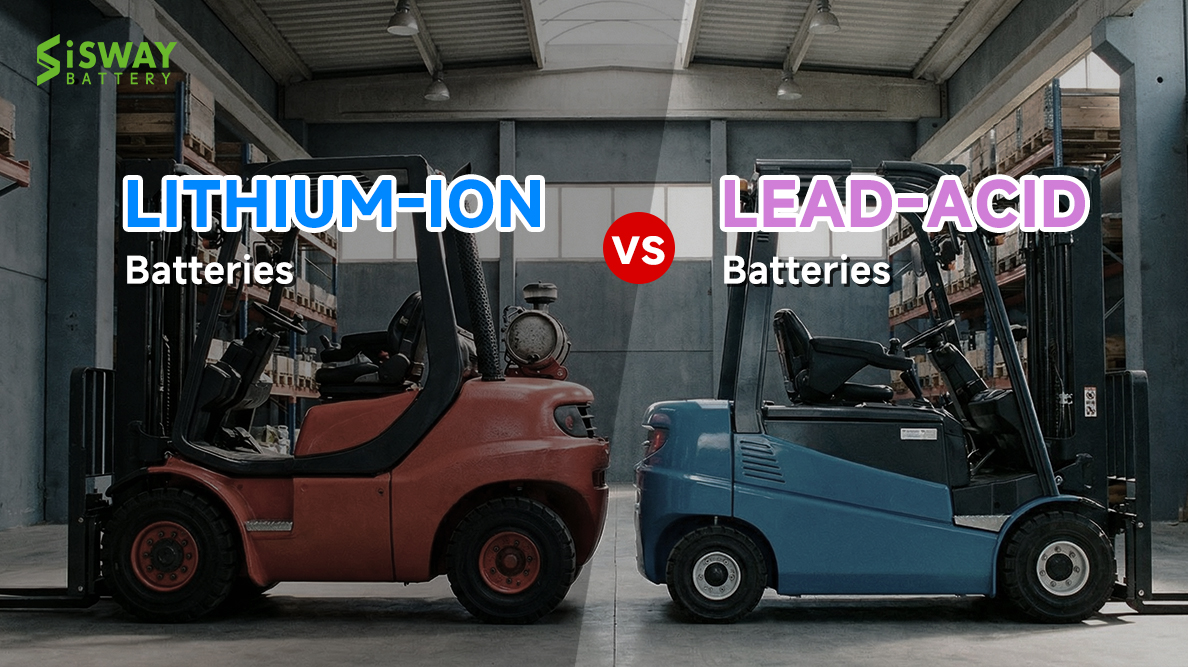
As industries around the world evolve and technology progresses, forklift power solutions are also experiencing a major shift. Lithium forklift batteries are gradually replacing traditional lead-acid batteries in many warehouses and manufacturing plants. While lead-acid batteries have been the standard for decades, lithium batteries are now making a compelling case as the preferred power source for forklifts.
Manufacturers are increasingly turning to LiFePO4 lithium batteries due to their efficiency, cost-effectiveness, and long-term benefits. In this blog, we’ll explore the top 5 reasons why manufacturers are shifting to lithium forklift batteries, compare the advantages over lead-acid batteries, and discuss why this shift is becoming a game-changer for manufacturing and warehouse operations.
1. Longer Lifespan and Greater Return on Investment (ROI)
One of the biggest reasons manufacturers are choosing lithium forklift batteries over lead-acid is their longer lifespan. Lithium batteries are designed to last 3,000–5,000 charge cycles, compared to the 1,000–1,500 cycles typical of lead-acid batteries.
This extended life means that lithium forklift batteries require fewer replacements over time, significantly reducing the total cost of ownership (TCO) for manufacturers.
For example, a lithium battery typically lasts 3–5 years longer than a lead-acid battery. With lower maintenance costs (lithium batteries do not require watering or cleaning), the ROI is clear—manufacturers can save thousands of dollars in maintenance and replacement costs, all while enhancing operational efficiency.
2. Faster Charging and Less Downtime
Lithium forklift batteries charge 3 to 5 times faster than lead-acid batteries. This is an enormous advantage in a multi-shift manufacturing environment, where downtime is costly and detrimental to productivity. A full lithium charge can be completed in as little as 2–3 hours, compared to the 8–12 hours typically required by lead-acid batteries.
The fast charging times reduce the need for additional battery change-outs, a common practice with lead-acid batteries. Manufacturers can opportunity charge lithium batteries during breaks or shifts without affecting performance, keeping forklifts operational at all times.
This significant reduction in downtime leads to a more efficient workflow, helping manufacturers maintain consistent productivity and throughput.
3. Increased Operational Efficiency with Consistent Power Output
Lithium batteries provide consistent voltage throughout their discharge cycle, meaning forklifts powered by lithium batteries maintain peak performance from start to finish. In contrast, lead-acid batteries experience a gradual decline in voltage as they discharge, which leads to decreased lifting capacity and slower forklift speeds.
For manufacturers, maintaining consistent power is critical in high-demand environments, where every minute counts. With lithium batteries, forklifts can:
- Lift at optimal capacity
- Maintain maximum speed and acceleration
- Operate efficiently throughout the day
By providing stable power, lithium batteries help manufacturers ensure that their forklifts are always operating at peak efficiency, contributing directly to overall productivity.
4. Lower Maintenance and No Risk of Acid Spills
Lithium forklift batteries offer significant advantages when it comes to maintenance. Unlike lead-acid batteries, lithium batteries do not require:
- Watering (to maintain electrolyte levels)
- Cleaning (to prevent acid build-up)
- Regular monitoring for acid leaks
Lead-acid batteries can also be prone to acid spills, which can cause damage to equipment and create safety hazards for workers. By eliminating these concerns, lithium batteries make the workplace safer and reduce the maintenance burden on your team.
For manufacturing facilities that need to focus on operational efficiency and safety, lithium forklift batteries provide a low-maintenance solution, ensuring less downtime and fewer safety risks related to battery failure.
5. Improved Energy Efficiency and Lower Utility Costs
Lithium batteries are known for their superior energy efficiency—up to 95% compared to 70-80% for lead-acid batteries. Lithium batteries waste less energy as heat, meaning fewer resources are needed to charge them.
This increased energy efficiency not only reduces the overall energy consumption in a manufacturing facility but also leads to lower electricity costs. Over time, this can significantly lower utility bills, particularly in large-scale manufacturing operations with a fleet of forklifts.
Additionally, lithium batteries do not suffer from the voltage drop issues that lead-acid batteries do, meaning forklifts maintain optimal power levels throughout their shifts without causing inefficiencies.
Why Choose Sisway Battery for Your Manufacturing Operations?
As manufacturers increasingly recognize the benefits of lithium forklift batteries, choosing the right supplier is crucial. Sisway Battery offers high-quality LiFePO4 lithium forklift batteries designed to meet the unique demands of modern manufacturing operations.
Key advantages of Sisway Battery:
- Long lifespan with 3,000+ cycles
- Intelligent Battery Management System (BMS) for safety and reliability
- Custom battery solutions for various forklift models
- Export-ready with global compliance certifications
- Fast charging capabilities and low maintenance
If you’re looking to transition to lithium forklift batteries, Sisway offers the perfect balance of performance, safety, and cost-efficiency for manufacturers.
🔗 Learn more about Sisway’s LiFePO4 forklift battery solutions:
👉 Sisway Lithium Forklift Batteries
Conclusion: Lithium Forklift Batteries Are the Future of Manufacturing
The shift from lead-acid to lithium forklift batteries is not just a trend—it’s a necessary evolution for modern manufacturing operations. Lithium batteries offer greater efficiency, longer lifespans, and lower maintenance, all of which contribute to improved productivity, safety, and cost savings for manufacturers.
By investing in lithium forklift batteries, manufacturers can enhance their operations, reduce overhead costs, and gain a competitive edge in the ever-evolving industrial landscape.
If your manufacturing facility is ready to take advantage of these benefits, Sisway Battery is the partner you need for high-quality, long-lasting lithium forklift batteries.
FAQ
Lithium forklift batteries are more efficient, faster to charge, and have longer lifespans compared to lead-acid batteries. They also require less maintenance and provide consistent power throughout their discharge cycle.
Yes. Lithium forklift batteries are designed with Battery Management Systems (BMS) that monitor voltage, temperature, and current, ensuring safe operation. They also eliminate risks of acid spills and fumes, making them safer than lead-acid batteries.
Yes. Lithium forklift batteries can be used as drop-in replacements for lead-acid batteries, making the transition simple for most forklifts. However, it’s always best to check with your forklift manufacturer for compatibility.
On average, lithium forklift batteries last 3,000–5,000 charge cycles, which is typically 2–3 times longer than lead-acid batteries. This results in fewer replacements and lower total costs.
While upfront costs for lithium batteries are higher, their longer lifespan and lower maintenance make them more cost-effective in the long run. Most manufacturers see a positive ROI within 2–3 years.