Best Lithium Golf Cart Battery – 36V to 96V & Custom Solutions for EZGO, Club Car & Yamaha
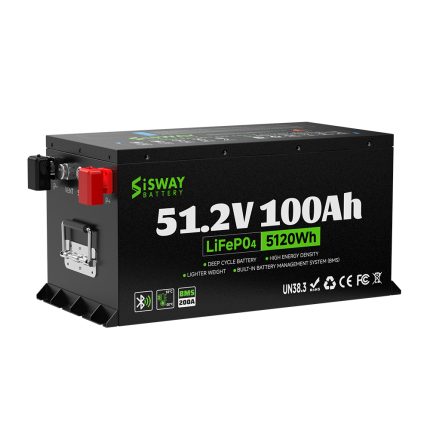
Searching for the best lithium golf cart battery to replace your old lead-acid pack? Sisway Battery manufactures high-performance LiFePO4 golf cart batteries in 36V, 48V, 60V, 72V, and 96V, built as true drop-in replacements for EZGO, Club Car, Yamaha, and every major golf cart brand. Each of our golf cart batteries delivers up to 4,000 deep cycles, a built-in smart BMS, and roughly 50% less weight than lead-acid — meaning longer range, faster charging, and zero maintenance. All units ship from our US warehouse for fast domestic delivery, and OEM/ODM manufacturing is available for bulk orders.
Showing 1–12 of 22 results
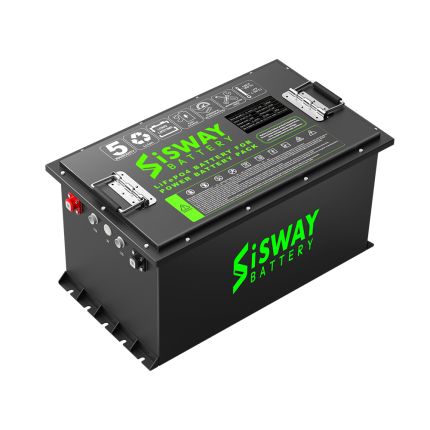
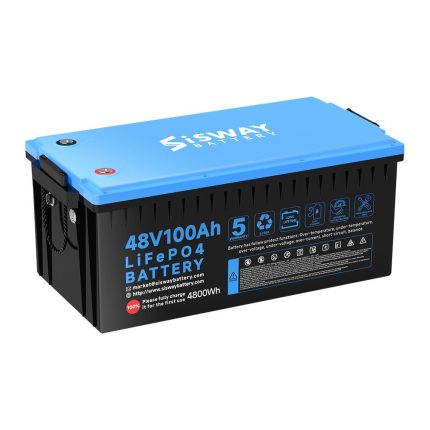
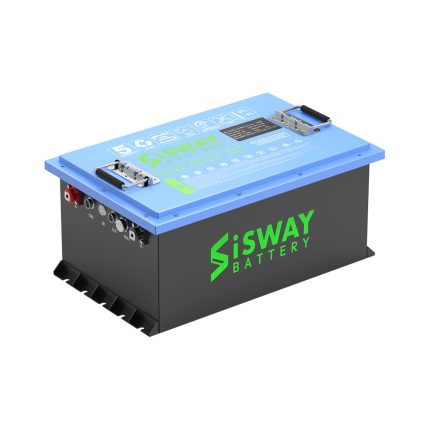
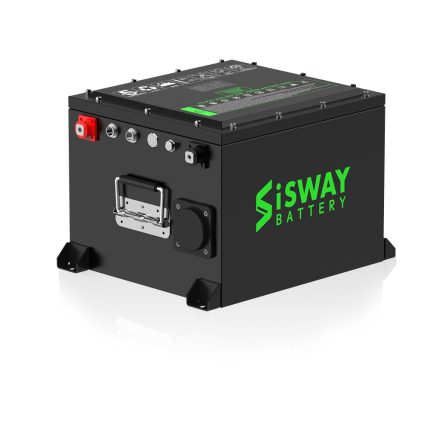
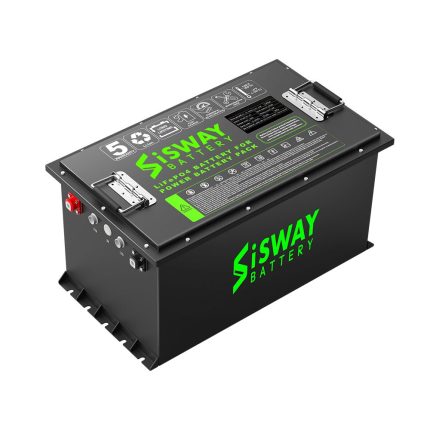
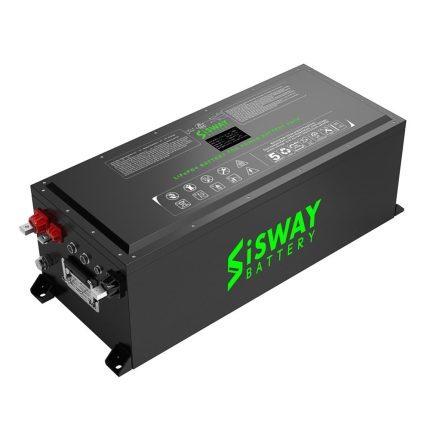
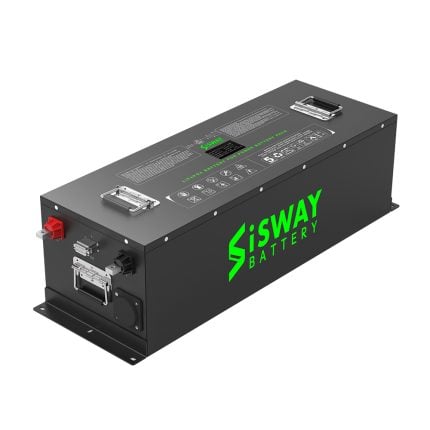
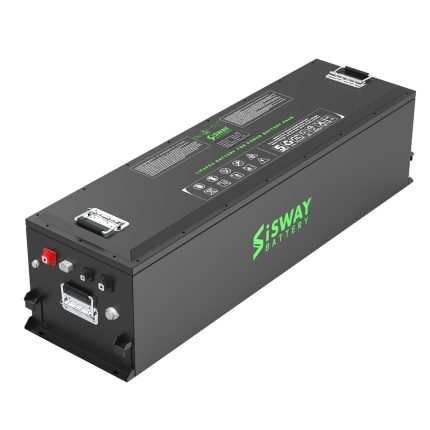
Why Sisway Makes the Best Lithium Golf Cart Battery on the Market
Golf cart owners upgrading from lead-acid know the frustration: short range, weeks of watering, and packs that die after 2-3 years. That's why more EZGO, Club Car, and Yamaha owners are switching to lithium. The best lithium golf cart battery isn't just about swapping chemistry — it's about getting a pack engineered for real-world golf cart use: consistent voltage under load, safe charging in all weather, and a battery management system that actually protects your investment. Sisway's LiFePO4 golf cart batteries are built to that standard, with every cell matched and tested before it leaves our facility.
Shop Golf Cart Batteries by Voltage
Not sure which voltage fits your cart? Here's a quick breakdown of our most popular golf cart battery configurations:
| Voltage | Best For | Common Capacities |
|---|---|---|
| 36V Lithium Golf Cart Battery | Older EZGO & Club Car models | 100Ah, 105Ah + (Customizable) |
| 48V Lithium Golf Cart Battery | Most popular — fits majority of carts | 100Ah, 105Ah, 150Ah, 173Ah, 200Ah, 315Ah + (Customizable) |
| 60V Lithium Golf Cart Battery | High-torque carts & utility use | 100Ah + (Customizable) |
| 72V Lithium Golf Cart Battery | Performance carts, longer routes | 100Ah and up + (Customizable) |
| 96V Lithium Golf Cart Battery | Commercial & fleet golf carts | 30Ah high-voltage packs + (Customizable) |
What Makes a Lithium Golf Cart Battery "The Best"
When comparing golf cart batteries, look for these five things before you buy:
- True drop-in fit — same footprint and terminals as your factory lead-acid battery, no cart rewiring needed.
- Built-in smart BMS — protects against overcharge, over-discharge, short circuit, and extreme temperature.
- Cycle life — Sisway's LiFePO4 cells are rated for up to 4,000 deep cycles, versus 300-500 for lead-acid.
- Bluetooth/app monitoring — real-time voltage, capacity, and cell balance from your phone (available on select models).
- Real warranty backing — a manufacturer that stands behind the cells, not just the case.
Lithium vs Lead-Acid Golf Cart Batteries
| Feature | Sisway Lithium (LiFePO4) | Lead-Acid |
|---|---|---|
| Weight | Up to 50% lighter | Heavy |
| Cycle Life | Up to 4,000 deep clcycle | 300-500 cycles |
| Maintenance | Zero maintenance | Regular watering required |
| Charging Speed | Faster charging | Slow |
Certified Quality & International Compliance
Built to Meet Global Standards
Every Sisway Lithium Golf Cart Battery is manufactured under a strict quality management system and backed by internationally recognized certifications. From product safety and transportation compliance to manufacturing quality and innovation, our certifications demonstrate our commitment to delivering reliable lithium battery solutions for distributors, OEM partners, fleet operators, and commercial buyers worldwide.
Whether you're replacing lead-acid batteries or sourcing custom lithium battery solutions, you can purchase with confidence knowing every battery is built to meet international quality and safety requirements. View our full documentation on the Sisway Certificates page.
Our Certifications
| Certificate | Short Description | Details |
|---|---|---|
| UN38.3 | Safe transportation certification for lithium batteries. | View Certificate |
| ISO 9001:2015 | Certified quality management system. | View Certificate |
| CNIPA Patent | Proprietary battery technology and innovation. | View Certificate |
| CE | European safety and conformity certification. | View Certificate |
UN38.3 Transportation Safety Test
Our lithium golf cart batteries have successfully passed the UN38.3 transportation safety standard, verifying they are safe for international shipping by air, sea, rail, and road. This certification is essential for the global transportation of lithium batteries.
- Safe international shipping
- Meets global transportation regulations
- Tested for vibration, shock, altitude, and thermal performance
- Ideal for worldwide export
ISO 9001:2015 Quality Management System
Sisway operates under an ISO 9001:2015 certified quality management system, ensuring every lithium battery is manufactured through standardized processes with continuous quality improvement.
- Consistent manufacturing quality
- Strict production control
- Reliable product performance
- Continuous process improvement
CNIPA Invention Patent
Our patented battery technologies demonstrate Sisway's investment in research, development, and innovation within the lithium battery industry. This certification reflects our commitment to delivering advanced battery solutions.
- Innovative battery technology
- Continuous product development
- Strong engineering capabilities
- OEM customization expertise
CE Certificate of Conformity
Our lithium golf cart batteries comply with European safety and electromagnetic compatibility requirements, allowing them to be supplied to customers across international markets.
- Meets European safety standards
- Verified product compliance
- International market acceptance
- Reliable product quality
Why These Certifications Matter
When choosing a lithium golf cart battery supplier, certifications provide confidence that you're working with a professional manufacturer committed to quality, safety, and long-term reliability. Our certifications help ensure:
- International safety compliance
- Consistent manufacturing quality
- Reliable battery performance
- Easier global shipping
- Trusted OEM manufacturing
- Long-lasting LiFePO4 technology
- Professional engineering support
Why Buyers Trust Sisway
- ✓ UN38.3 Certified Batteries
- ✓ ISO 9001:2015 Certified Manufacturing
- ✓ CE Compliant Products
- ✓ Patented Battery Technology
- ✓ Grade A LiFePO4 Cells
- ✓ Smart Battery Management System (BMS)
- ✓ 4,000+ Charge Cycles
- ✓ OEM & ODM Manufacturing
- ✓ Factory Direct Pricing
- ✓ Global Shipping Support
Need Certified Lithium Golf Cart Batteries?
Looking for a reliable lithium battery manufacturer with international certifications and OEM customization? Contact our battery experts today to find the right solution for your golf cart business.
Request a QuoteFrequently Asked Questions
What is the best lithium golf cart battery for EZGO, Club Car, or Yamaha?
For most carts, a 48V Sisway LiFePO4 battery in 100Ah or 105Ah is the best fit, since it's designed as a direct drop-in replacement across EZGO, Club Car, and Yamaha models without any wiring changes.
How long do lithium golf cart batteries last?
Sisway's LiFePO4 golf cart batteries are rated for up to 4,000 deep charge cycles, which typically translates to 8-10+ years of regular use, compared to 2-3 years for a lead-acid pack.
Can I replace my lead-acid golf cart battery with lithium directly?
Yes. Sisway golf cart batteries are built to match the same voltage, footprint, and terminal layout as standard lead-acid packs, so no cart modification is required.
Do Sisway golf cart batteries come with a warranty?
Yes, all Sisway lithium golf cart batteries include manufacturer warranty coverage backed by our US warehouse support team. Contact us for specific terms on your selected model.
Need help choosing the right golf cart battery?
Our team can match the correct voltage and capacity to your cart model in minutes.
Talk to a Battery Expert