
Introduction
Warehouses today are under more pressure than ever. Faster order fulfillment, tighter labor markets, rising energy costs, and sustainability goals are forcing operations to rethink how they power material-handling equipment. One of the biggest shifts happening across the industry is the move from traditional lead-acid batteries to lithium-ion forklift batteries.
This transition isn’t just a trend—it’s a strategic decision driven by performance, cost savings, and operational efficiency. Let’s explore why more warehouses are making the switch and how lithium technology is reshaping modern material handling.
The Growing Demands of Modern Warehousing
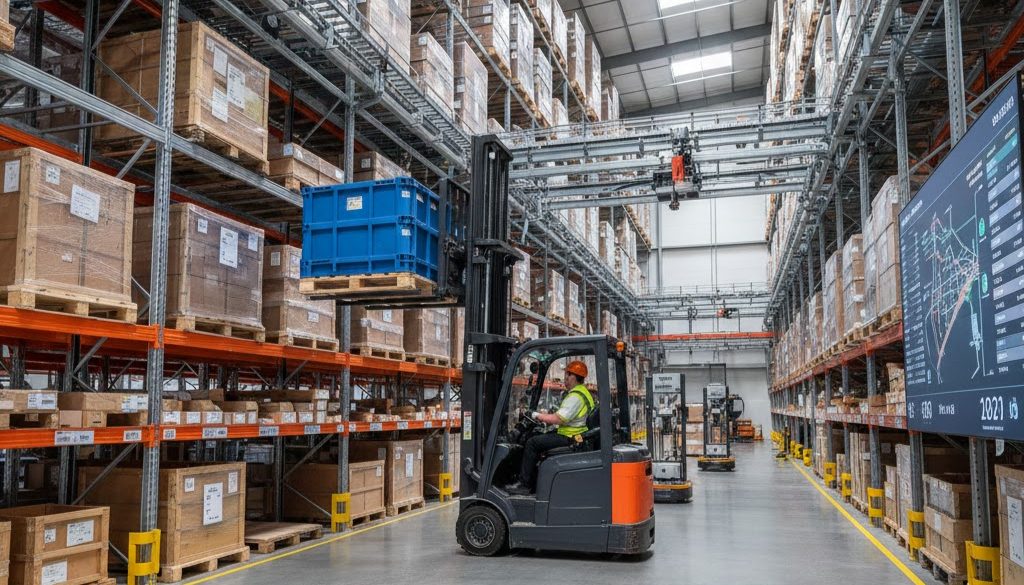
Warehouse operations have evolved rapidly. Multi-shift schedules, automation, and just-in-time inventory models require forklifts to be ready whenever they’re needed. Any downtime—especially battery-related—can slow productivity and increase costs.
Traditional battery systems struggle to keep up with these demands. As a result, warehouse managers are turning to lithium-ion solutions, particularly LiFePO4 forklift batteries, to support higher uptime and more predictable performance.
Learn more about advanced lithium solutions at Sisway Battery.
The Limitations of Lead-Acid Forklift Batteries
Lead-acid batteries have powered forklifts for decades, but they come with well-known challenges that affect warehouse efficiency.
Common Pain Points
- Long charging times plus cooling periods
- Voltage drop that reduces forklift performance during a shift
- Frequent maintenance like watering and cleaning
- Battery change-outs for multi-shift operations
- Dedicated charging rooms and spare battery inventory
Over time, these inefficiencies add up—impacting labor, energy use, and overall throughput.
Why Lithium-Ion Forklift Batteries Are Taking Over
Lithium-ion forklift batteries solve many of the issues that hold traditional systems back. Warehouses switching to lithium often notice immediate improvements.
1. Faster Charging, Less Downtime
Lithium-ion batteries support opportunity charging, meaning forklifts can recharge during short breaks without harming battery life. There’s no need to wait for a full discharge or cooling period.
Operational impact:
- No battery swapping
- Forklifts stay in service longer
- Reduced idle time between shifts
This is especially valuable for warehouses running 2–3 shifts or continuous operations.
2. Consistent Power Throughout the Shift
Unlike lead-acid batteries that lose voltage as they discharge, lithium-ion batteries deliver stable power from start to finish.
Why this matters:
- Forklifts maintain lifting speed all day
- Operators experience consistent performance
- Productivity doesn’t drop late in the shift
This reliability helps warehouses meet tight schedules without unexpected slowdowns.
3. Lower Maintenance, Lower Labor Costs
One of the most appealing benefits of lithium-ion forklift batteries is that they are maintenance-free.
No more:
- Watering schedules
- Acid spills
- Corrosion cleanup
- Equalization charging
This not only reduces labor costs but also improves workplace safety and cleanliness.
Safety Advantages Warehouses Can’t Ignore
Safety is a major concern in any material-handling environment. Lithium-ion batteries—especially LiFePO4 chemistry—offer significant safety improvements.
Built-In Safety Features
- No acid leaks or fumes
- Sealed battery design
- Advanced Battery Management Systems (BMS)
- Overcharge, overcurrent, and temperature protection
Sisway lithium forklift batteries are engineered for industrial use, providing dependable performance without the risks associated with older battery technologies. You can explore the product range here:
👉 LiFePO4 Forklift Battery – Sisway
Total Cost of Ownership: Lithium Wins Long-Term
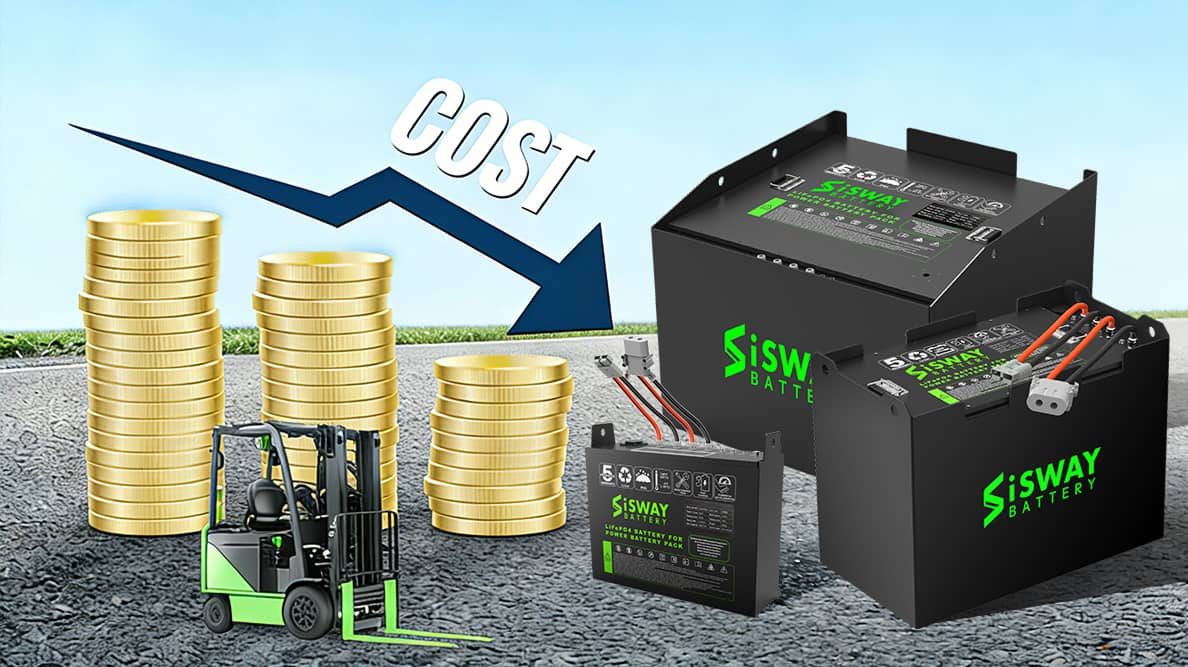
While lithium-ion forklift batteries typically have a higher upfront cost, warehouses quickly recover that investment through operational savings.
Where the Savings Come From
- 2–3x longer battery lifespan
- Lower energy consumption
- No maintenance labor
- Fewer battery replacements
- Reduced downtime
When evaluated over several years, lithium-ion batteries often deliver a lower total cost of ownership compared to lead-acid systems.
Supporting Sustainability and Compliance Goals
Sustainability is no longer optional. Warehouses are under increasing pressure to reduce emissions and energy waste.
Lithium-ion forklift batteries help by:
- Eliminating on-site emissions
- Improving energy efficiency
- Reducing battery disposal frequency
- Supporting cleaner electric fleets
For companies focused on environmental responsibility, lithium technology aligns well with long-term sustainability strategies.
Where Lithium Forklift Batteries Make the Biggest Impact
Warehouses see the greatest benefits from lithium-ion batteries in environments such as:
- High-throughput distribution centers
- Multi-shift operations
- Cold storage facilities
- Manufacturing and logistics hubs
- Automated or semi-automated warehouses
In these settings, uptime and consistency are critical—and lithium delivers both.
Why Warehouses Choose Sisway Battery
Sisway Battery designs lithium forklift batteries specifically for industrial material handling—not consumer applications.
What Sets Sisway Apart
- Industrial-grade LiFePO4 chemistry
- Intelligent BMS for real-time protection
- Fast and opportunity charging support
- Focus on safety, durability, and performance
Warehouses looking for dependable, long-term battery solutions trust Sisway to power their operations efficiently.
Conclusion: A Smarter Power Choice for Warehouses
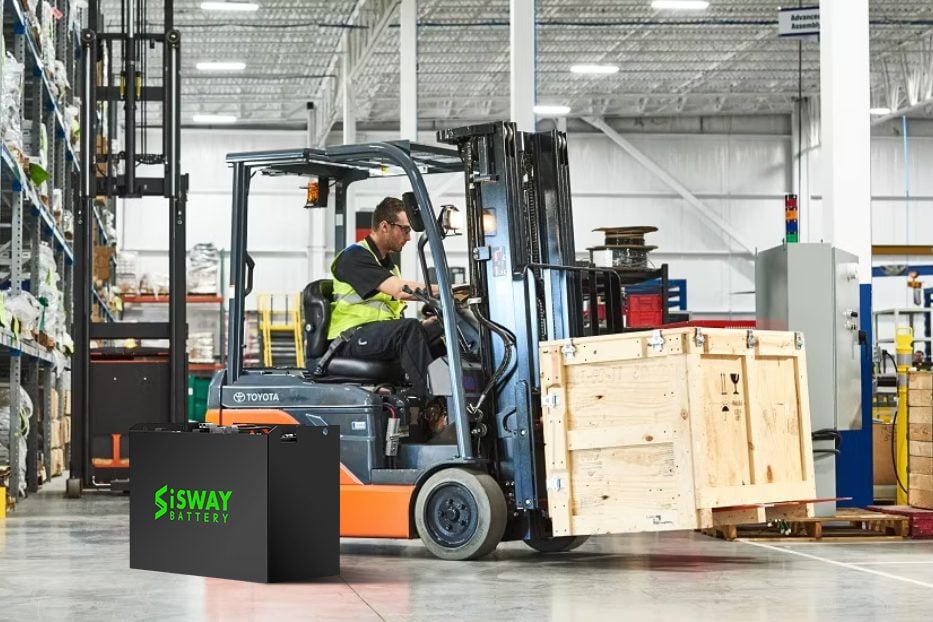
Warehouses are switching to lithium-ion forklift batteries because the benefits are clear—higher uptime, lower operating costs, improved safety, and better energy efficiency. As warehouse demands continue to grow, outdated battery systems simply can’t keep pace.
By adopting LiFePO4 forklift batteries from Sisway Battery, warehouses gain a competitive edge through smarter, more reliable power solutions.
🔗 Learn more at Sisway Battery
🔗 Explore lithium forklift solutions here: LiFePO4 Forklift Battery
In today’s fast-moving supply chain, the right battery doesn’t just power forklifts—it powers performance.
FAQ
Yes. They produce no fumes, require no ventilation rooms, and include multiple safety protections.
Typically 2,000–3,000+ charge cycles, depending on usage and charging habits.
In most cases, yes. Many lithium forklift batteries are designed as drop-in replacements.
Yes. With proper thermal management, lithium batteries perform reliably in cold conditions.
Minimal training is needed, as lithium systems simplify charging and eliminate battery changes.