

Introduction
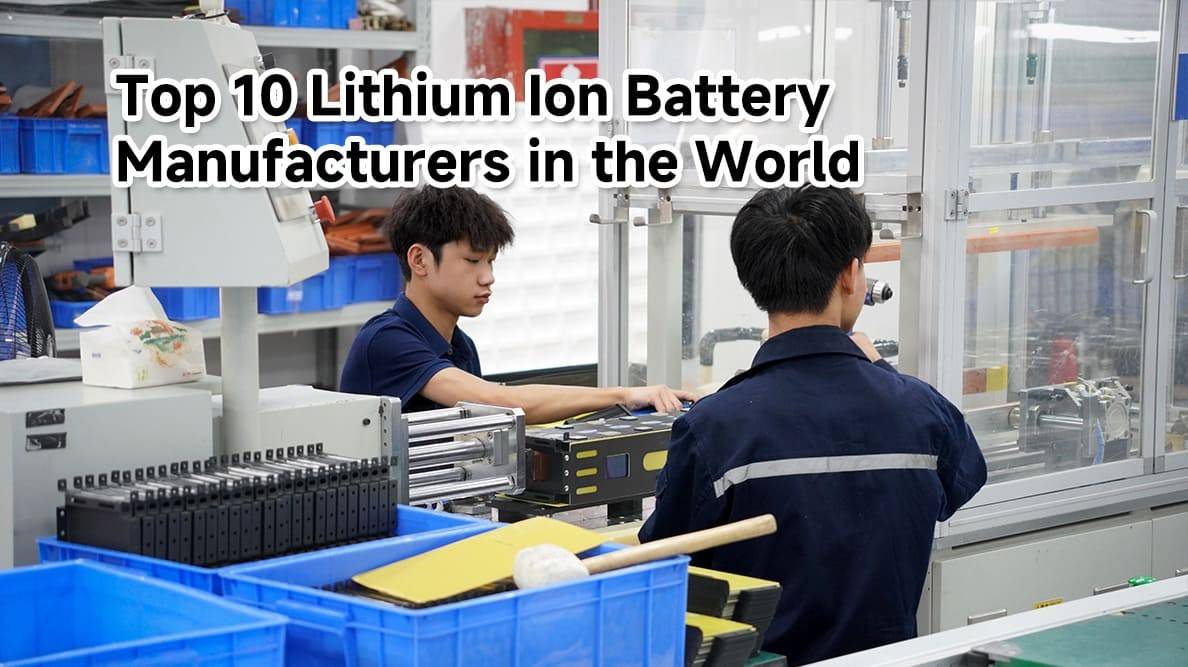
The demand for lithium batteries is growing rapidly across industries like electric vehicles, golf carts, forklifts, and energy storage systems. As businesses shift toward cleaner and more efficient energy solutions, choosing the right lithium battery manufacturer has become a critical decision for businesses looking for reliable energy solutions.
However, selecting a supplier is not just about finding the lowest price. The right partner impacts your product performance, safety standards, long-term costs, and overall business growth. In this guide, we’ll break down exactly what you should look for when choosing a reliable lithium battery supplier.
Why it’s Important to Pick the Right Manufacturer
A trusted lithium battery manufacturer ensures consistent quality, safety, and long-lasting performance. This leads to better operational efficiency and improved customer satisfaction.
On the other hand, working with the wrong supplier can result in product failures, increased maintenance costs, and damage to your brand reputation. That’s why making an informed decision is essential.
1. Experience and Technical Expertise
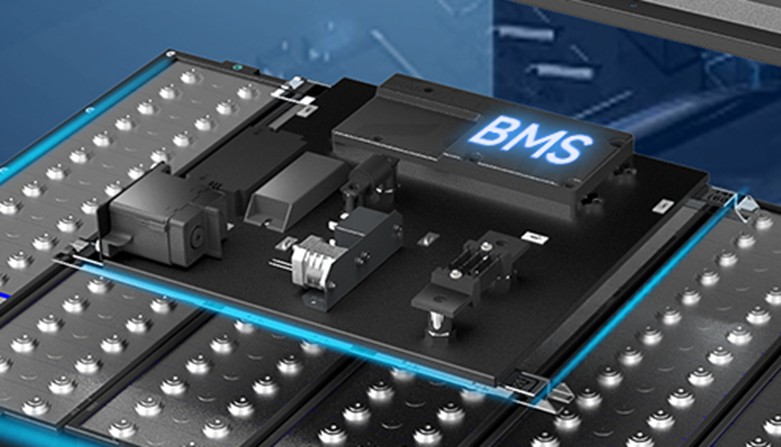
Lithium battery manufacturing is a highly specialized field that requires deep technical knowledge. An experienced manufacturer understands battery chemistry, Battery Management Systems (BMS), and performance optimization.
When evaluating a supplier, check:
- Years of industry experience
- Technical capabilities
- Industries served
Companies like Sisway Battery, for example, demonstrate strong expertise by offering advanced lithium battery solutions across multiple industries.
2. Product Range and Customization Capabilities
A reliable lithium battery manufacturer should offer a wide range of products tailored to different applications such as:
- lithium golf cart batteries
- forklift lithium battery solutions
- Energy storage systems
More importantly, customization (OEM/ODM) is a key factor. Every business has unique requirements in terms of voltage, capacity, and usage conditions.
Look for suppliers that provide:
- Custom battery design
- Flexible configurations
- Scalable solutions
This ensures your battery system aligns perfectly with your business needs.
3. Quality Standards and Certifications
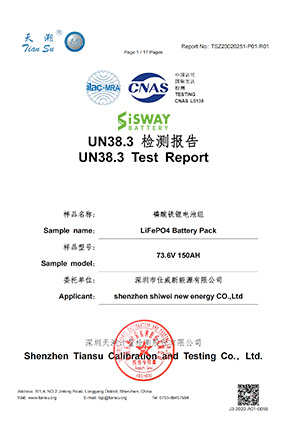
Safety and compliance should never be compromised when dealing with lithium batteries.
A professional manufacturer must follow international quality standards and provide certifications such as:
- CE Certification
- UN38.3 (transport safety)
- RoHS Compliance
These certifications follow global standards defined by organizations like the International Electrotechnical Commission.
4. Battery Technology and Performance
The long-term value of a battery depends heavily on its performance.
Key factors to evaluate:
- Energy density
- Cycle life
- Charging efficiency
- Thermal stability
LiFePO4 battery technology is widely preferred due to its longer lifespan, higher safety, and better stability .
- Longer lifespan
- Higher safety
- Better stability
Choosing a manufacturer that uses advanced battery technology ensures better efficiency and reliability.
5. Price vs Long-Term Value
Many businesses make the mistake of choosing the cheapest option. While it may reduce upfront costs, it often leads to higher expenses in the long run.
Low-quality batteries can cause:
- Frequent replacements
- Downtime
- Increased maintenance costs
Instead, focus on total lifetime value, which includes durability, efficiency, and long-term performance.
6. OEM and ODM Support
If you are planning to build your own brand, OEM and ODM services are crucial.
A good manufacturer should support:
- Private labeling
- Custom branding
- Product design
- Technical consultation
This helps businesses scale faster and create unique product offerings in the market.
7. After-Sales Support and Warranty
Strong after-sales service is a sign of a reliable manufacturer.
Check for:
- Clear warranty policies
- Technical support
- Quick replacement services
Good support reduces operational risks and builds long-term business relationships.
8. Global Shipping and Logistics
For international buyers, logistics play a crucial role.
A professional supplier should:
- Handle global shipping efficiently
- Follow export regulations
- Ensure safe packaging
Reliable delivery ensures smooth business operations and timely order fulfillment.
Why Sisway Battery Stands Out
Sisway Battery has built a strong reputation by focusing on quality, innovation, and customer satisfaction.
With advanced LiFePO4 technology, a wide product range, and strong customization capabilities, the company serves multiple industries efficiently. Their ability to deliver reliable and scalable battery solutions makes them a preferred choice for many businesses.
Conclusion
Choosing the right lithium battery manufacturer is a strategic decision that directly impacts your business success.
By evaluating factors such as experience, product range, certifications, technology, customization, and support, you can find a supplier that aligns with your long-term goals.
A trusted lithium battery supplier not only provides high-quality batteries but also contributes to your business growth, operational efficiency, and customer satisfaction.
FAQs
When choosing a lithium battery manufacturer, consider factors like experience, product quality, certifications, customization capability, and after-sales support. These factors ensure long-term performance and reliability.
LiFePO4 batteries are preferred because they offer longer lifespan, higher safety, better thermal stability, and consistent performance compared to traditional lithium batteries.
A reliable manufacturer should have certifications such as CE, UN38.3, and RoHS, which indicate compliance with international safety and quality standards.
OEM refers to manufacturing products based on existing designs with branding, while ODM involves designing and producing customized battery solutions according to specific business requirements.
After-sales support ensures smooth operations, quick issue resolution, warranty coverage, and long-term reliability, making it essential for business continuity.