
Why 48V Lithium Golf Cart Batteries Are Becoming the Preferred Power Solution
Introduction
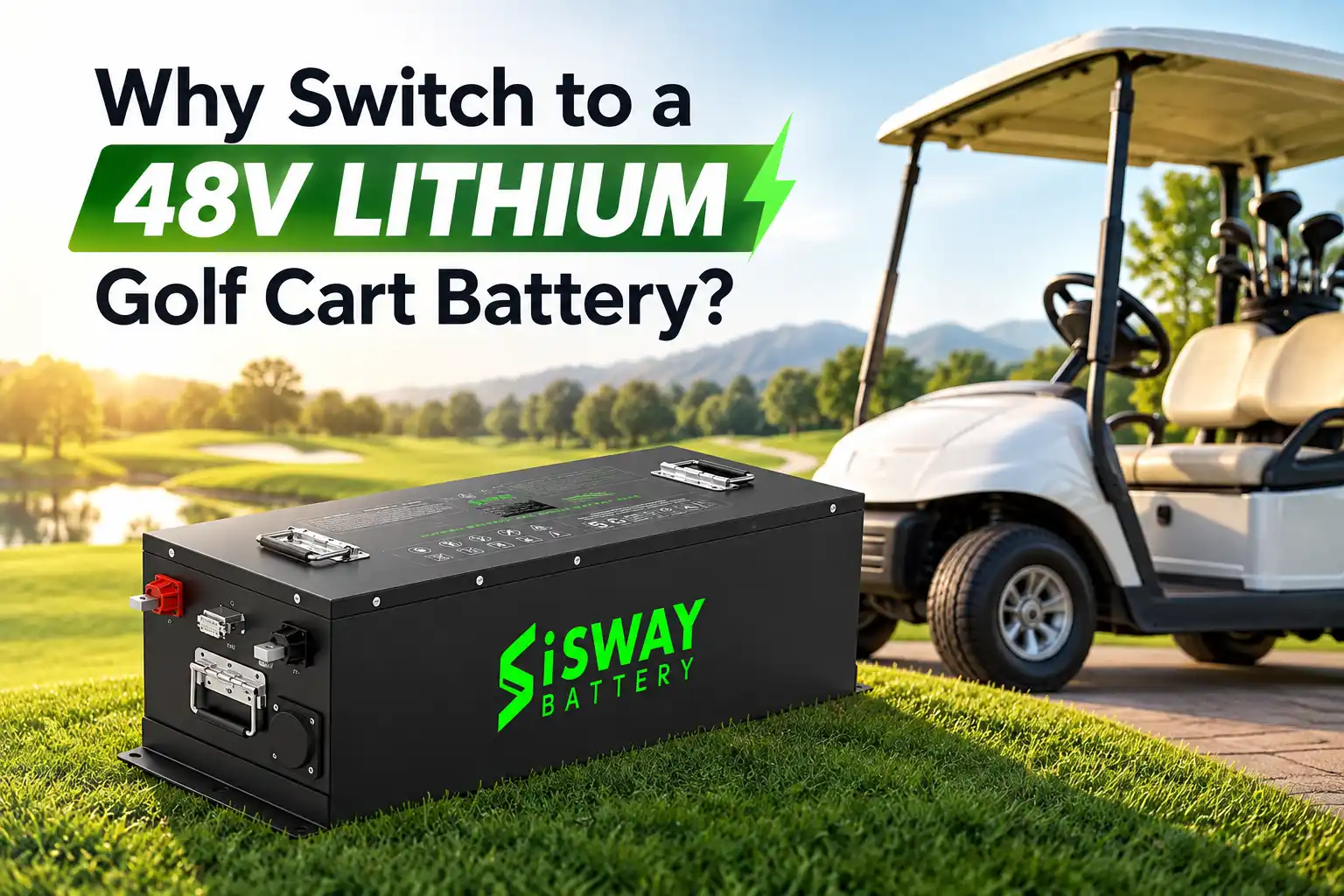
Golf cart owners are steadily moving away from traditional flooded lead-acid batteries in favor of a 48V Lithium Golf Cart Battery. This shift is driven by real, practical advantages: longer runtime, faster charging, lighter weight, and far less day-to-day maintenance. Whether you use your golf cart on the course, around a community, or for light utility work, understanding what a 48V lithium battery offers can help you make a smarter, longer-term investment.
What Is a 48V Lithium Golf Cart Battery?
A 48V Lithium Golf Cart Battery is a rechargeable battery pack built using lithium iron phosphate (LiFePO4) cells, configured to deliver 48 volts of power. It’s designed as a direct upgrade for golf carts that traditionally ran on multiple 6V or 8V lead-acid batteries wired together.
Inside the case, a battery management system (BMS) continuously monitors voltage, temperature, and current across the cells. This keeps the pack operating safely, balances individual cells, and helps protect against overcharging, over-discharging, and short circuits — something standard lead-acid batteries simply don’t have built in.
Why 48V Lithium Batteries Are Becoming Popular
Golf cart owners are replacing lead-acid setups with a lithium golf cart battery for reasons that go beyond a passing trend. The move is largely practical.
Less Weight to Carry
Lithium packs weigh a fraction of a comparable lead-acid bank, easing strain on the cart’s frame and suspension.
Quicker Turnaround
Faster charge times mean less time waiting around and more time the cart is actually available to use.
Fewer Chores
No watering cells, no terminal corrosion to scrape off, and no scheduled equalizing charges to remember.
Steadier Power
Voltage stays more consistent as the battery discharges, so performance doesn’t fade as sharply late in the day.
Key Benefits of 48V Lithium Golf Cart Batteries
Longer Runtime
A 48V lithium battery typically delivers more usable capacity per charge, letting you cover more rounds or more distance before needing a recharge.
Faster Charging
Lithium chemistry accepts higher charge currents, so a full charge often takes a fraction of the time a lead-acid bank requires.
Lower Weight
A lighter battery pack means less dead weight for the cart to haul, which can translate to easier handling.
Higher Efficiency
Lithium cells lose less energy as heat during charge and discharge cycles, so more of the stored energy actually reaches the motor.
Minimal Maintenance
Sealed construction and an integrated BMS remove the need for watering, terminal cleaning, and manual equalization.
Longer Service Life
LiFePO4 cells generally tolerate far more charge cycles than lead-acid before capacity meaningfully declines.
Consistent Power Output
Voltage sag is minimal even under load, so acceleration and hill performance stay steadier across the discharge curve.
Better Overall Performance
Combined, these advantages add up to a cart that feels more responsive, more reliable, and less demanding to own.
Lithium vs. Lead-Acid Golf Cart Batteries
Here’s how a 48V lithium battery generally compares with a traditional flooded lead-acid bank.
| Factor | 48V Lithium Battery | Lead-Acid Battery |
|---|---|---|
| Weight | Significantly lighter | Heavy |
| Charging Speed | Fast, often 1–3 hours | Slow, often 6–10 hours |
| Maintenance | Minimal to none | Regular watering & cleaning |
| Lifespan | Typically longer cycle life | Shorter cycle life |
| Energy Efficiency | Higher | Lower, more heat loss |
| Power Consistency | Stable across discharge | Drops as it discharges |
| Runtime | Longer per charge | Shorter per charge |
| Overall Convenience | Low-effort ownership | Higher ongoing effort |
Longer Runtime and Consistent Performance
One of the most noticeable differences with a 48V golf cart battery built on lithium chemistry is how flat the discharge curve stays. Instead of gradually losing power as the charge depletes, a lithium pack tends to hold its voltage steadily until it’s nearly empty.
In practice, that means the cart drives about the same on the last mile of a charge as it did on the first, rather than noticeably slowing down as the day goes on.
Faster Charging and Better Efficiency
A 48V lithium battery can typically accept a higher charge current than a lead-acid bank, which shortens the time between uses. Because lithium cells also waste less energy as heat during charging, more of the electricity you put in is actually available to use later.
Practical takeaway: many 48V lithium setups can go from empty to fully charged in a few hours, often making an overnight top-up unnecessary for everyday use.
Lightweight Design and Improved Golf Cart Performance
Swapping a bank of lead-acid batteries for a single lithium golf cart battery can cut total battery weight substantially. Less weight sitting low in the cart can mean easier handling, quicker acceleration, and less strain on tires, brakes, and suspension components over time.
Lower Maintenance Requirements
Flooded lead-acid batteries need periodic water top-ups, terminal cleaning, and occasional equalizing charges to stay healthy. A sealed lithium pack with a built-in BMS handles cell balancing automatically, which removes most of that routine upkeep from an owner’s to-do list.
Longer Battery Lifespan
LiFePO4 cells are generally rated for a considerably higher number of charge cycles than flooded lead-acid batteries before their capacity noticeably declines. Actual lifespan still depends on usage patterns, charging habits, and storage conditions, so it’s worth thinking of this as a general advantage rather than a fixed guarantee.
Why 48V Is an Ideal Voltage for Golf Carts
Most golf carts are designed around a 48V electrical system because it strikes a practical balance between torque, efficiency, and component cost. A 48V golf cart battery can deliver enough current for strong acceleration and hill climbing, without requiring the heavier-gauge wiring that much higher voltage systems would need.
This is part of why a 48V lithium replacement pack is such a natural fit: it matches the voltage most carts were already engineered around, so the swap is usually straightforward.
What to Consider Before Choosing a 48V Lithium Battery
A few practical points are worth checking before you buy.
Explore 48V Lithium Golf Cart Battery Solutions
If you’re ready to move past the upkeep and limitations of lead-acid power, it’s worth browsing available 48V Lithium Golf Cart Battery options to find a pack that matches your cart and driving needs.
View 48V Lithium Battery OptionsFinal Thoughts
The shift toward a 48V Lithium Golf Cart Battery isn’t just about following a trend — it reflects real gains in runtime, charging speed, weight savings, and day-to-day convenience over older lead-acid technology. For owners who want a cart that’s easier to maintain and more consistent to drive, lithium power has become a practical, forward-looking choice.
Frequently Asked Questions
What is a 48V lithium golf cart battery?
It’s a rechargeable lithium iron phosphate (LiFePO4) battery pack built to deliver 48 volts, designed to replace the multiple lead-acid batteries traditionally used in golf carts.
How long does a 48V lithium golf cart battery last?
Lifespan varies with usage and care, but LiFePO4 cells are generally rated for significantly more charge cycles than lead-acid batteries, often translating into many years of regular use.
How long does it take to charge a 48V lithium golf cart battery?
Charge times depend on the charger and battery capacity, but many 48V lithium setups can charge fully in just a few hours — considerably faster than a typical lead-acid bank.
Are 48V lithium batteries better than lead-acid batteries?
For most owners, yes — lithium generally offers longer runtime, faster charging, lower weight, and less maintenance, though the higher upfront cost is worth weighing against your usage needs.
Do 48V lithium golf cart batteries require maintenance?
Maintenance needs are minimal. There’s no watering or terminal cleaning required, since the pack is sealed and cell balancing is handled automatically by the built-in BMS.
Can I replace my lead-acid batteries with a 48V lithium battery?
In many cases, yes, since 48V lithium packs are often designed as drop-in replacements. It’s still worth confirming physical fit, charger compatibility, and any wiring requirements first.
What should I consider when choosing a 48V lithium golf cart battery?
Key factors include capacity, compatibility with your cart, BMS quality, charger requirements, installation needs, warranty coverage, brand reliability, and your typical driving conditions.
Why are lithium batteries becoming popular for golf carts?
Owners are drawn to the combination of longer runtime, faster charging, lighter weight, and reduced upkeep — practical improvements over the limitations of traditional lead-acid batteries.