

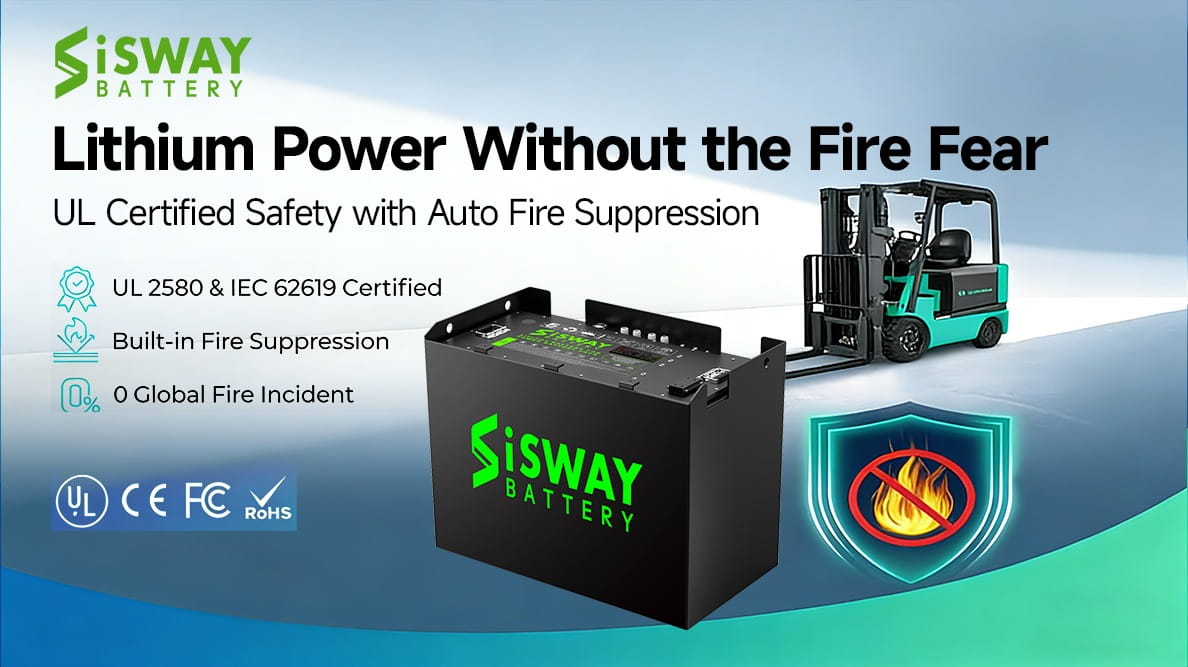
Introduction
The material handling industry is rapidly evolving, and warehouses are constantly looking for ways to improve efficiency, safety, and sustainability. One of the most impactful upgrades businesses are making today is switching to lithium forklift batteries. As technology advances in 2026, upgrading your forklift battery system can significantly boost productivity while reducing operational costs.
However, transitioning from traditional lead-acid batteries to lithium batteries requires careful planning to ensure safety, compatibility, and optimal performance. In this guide, we’ll walk through the key steps to safely upgrade your forklift lithium battery and why many warehouses are making this change today.

Why Warehouses Are Upgrading to Lithium Forklift Batteries
Forklift fleets are the backbone of logistics operations. For decades, lead-acid batteries were the standard power source, but they come with limitations such as long charging times, frequent maintenance, and shorter lifespan.
Lithium iron phosphate (LiFePO4) batteries have emerged as a superior alternative.
Key Benefits of Lithium Forklift Batteries
- Faster Charging
Lithium batteries charge up to 3–4 times faster than lead-acid batteries.
- Opportunity Charging
Operators can recharge during short breaks without damaging battery health.
- Maintenance-Free Operation
No watering, equalization, or battery swapping required.
- Longer Lifespan
Lithium batteries can last 3–5 times longer than traditional lead-acid batteries.
- Improved Safety
Modern lithium batteries include built-in battery management systems (BMS) to monitor temperature, voltage, and current.
Companies looking to improve forklift efficiency often turn to trusted manufacturers like
👉 SISWAY BATTERY for high-performance industrial lithium battery solutions.

Understanding Lithium Iron Phosphate (LiFePO4) Technology
Not all lithium batteries are created equal. The most reliable technology used in industrial forklifts is LiFePO4 (Lithium Iron Phosphate).
Why LiFePO4 Is Ideal for Forklifts
- Higher thermal stability
- Longer cycle life
- Lower fire risk compared to other lithium chemistries
- Consistent power output during heavy operations
Industrial-grade LiFePO4 batteries are designed specifically for material handling equipment and can support continuous warehouse operations.
You can explore industrial-grade forklift battery solutions here:
👉 https://www.siswaybattery.com/lifepo4-forklift-battery/

Step-by-Step Guide to Safely Upgrade Your Forklift Lithium Battery
Upgrading your forklift battery should be done carefully to ensure compatibility and operational safety.
1. Evaluate Your Forklift Fleet
Start by assessing your current forklifts:
- Battery capacity requirements
- Voltage specifications
- Usage cycles
- Charging infrastructure
Different forklifts require different battery sizes and voltage ranges. Understanding your fleet helps you choose the right lithium battery configuration.

2. Choose a Certified Lithium Battery Manufacturer
Selecting a reliable supplier is crucial. High-quality manufacturers design batteries with integrated safety systems, durable construction, and reliable performance.
When choosing a supplier, check for:
- International certifications
- Advanced battery management systems (BMS)
- Warranty and technical support
- Industry experience
Trusted manufacturers such as Sisway Battery provide specialized lithium battery solutions tailored for industrial forklifts.

3. Check Voltage and Compatibility
Before installing a lithium battery, confirm that it matches your forklift’s voltage requirements.
Common forklift battery voltages include:
| Forklift Type | Voltage |
| Pallet Trucks | 24V |
| Reach Trucks | 36V / 48V |
| Counterbalance Forklifts | 48V / 72V / 80V |
Using an incorrect voltage battery can damage the forklift or reduce efficiency.

4. Upgrade Your Charging System
Lithium batteries require compatible lithium chargers.
While some modern chargers support multiple battery types, older lead-acid chargers may not work properly with lithium batteries.
Lithium chargers offer:
- Faster charging speeds
- Smart monitoring
- Overcharge protection
- Energy efficiency
Upgrading your charging infrastructure ensures optimal battery performance and safety.

5. Train Your Operators and Technicians
One advantage of lithium batteries is ease of use, but training is still important.
Operators should understand:
- Proper charging procedures
- Safe battery handling
- Monitoring battery indicators
- Emergency protocols
Proper training reduces accidents and ensures the battery lasts longer.

6. Implement Safety Monitoring Systems
Modern lithium batteries include Battery Management Systems (BMS) that monitor:
- Temperature
- Voltage balance
- Charging cycles
- Current flow
These systems automatically protect the battery from overheating, overcharging, or deep discharge.
This advanced safety technology is one reason many companies are upgrading their forklift batteries in 2026.

7. Plan a Gradual Fleet Upgrade
Instead of replacing all forklift batteries at once, many companies prefer a phased upgrade approach.
Benefits include:
- Lower upfront investment
- Easier integration
- Minimal operational disruption
Start with high-usage forklifts where lithium batteries deliver the biggest performance improvements.

Common Mistakes to Avoid When Upgrading Forklift Batteries
Even though lithium upgrades offer many benefits, there are some mistakes businesses should avoid.
1. Choosing the Wrong Battery Size
A battery that is too small will reduce forklift runtime.
2. Ignoring Charging Compatibility
Using an incompatible charger can shorten battery lifespan.
3. Skipping Safety Certifications
Always verify that batteries meet international safety standards.
4. Poor Installation
Professional installation ensures proper wiring and safety.

The Future of Forklift Batteries in 2026
Warehouse automation, e-commerce growth, and sustainability goals are driving the shift toward lithium battery technology.
Industry experts expect lithium batteries to dominate forklift fleets because they offer:
- Lower long-term operational costs
- Higher productivity
- Reduced carbon footprint
- Improved workplace safety
Companies investing in lithium battery technology today are preparing their operations for the next generation of smart warehouses.


Conclusion
Upgrading your forklift lithium battery in 2026 is one of the smartest investments a warehouse or logistics company can make. Lithium iron phosphate technology provides faster charging, longer lifespan, improved safety, and better operational efficiency compared to traditional lead-acid batteries.
However, a successful upgrade requires careful planning—from evaluating forklift compatibility and upgrading chargers to choosing a reliable battery manufacturer.
If you’re considering making the switch, exploring high-quality lithium forklift battery solutions from trusted manufacturers like
👉 https://www.siswaybattery.com/
can help ensure a safe and efficient transition.
By adopting modern LiFePO4 forklift batteries, businesses can future-proof their operations, reduce costs, and create safer, more productive warehouse environments.
FAQ
Yes. Lithium iron phosphate batteries are known for their thermal stability and include built-in safety systems that prevent overheating and overcharging.
Lithium forklift batteries typically last 3,000–5,000 charge cycles, which is significantly longer than traditional lead-acid batteries.
In some cases yes, but it is recommended to use a dedicated lithium charger for optimal performance and safety.
No. Unlike lead-acid batteries, lithium batteries are maintenance-free and do not require watering or equalization.
Most lithium forklift batteries can reach 80% charge within 1–2 hours, allowing opportunity charging during breaks.
The upfront cost may be higher, but lithium batteries offer long-term savings through lower maintenance, longer lifespan, and higher efficiency.